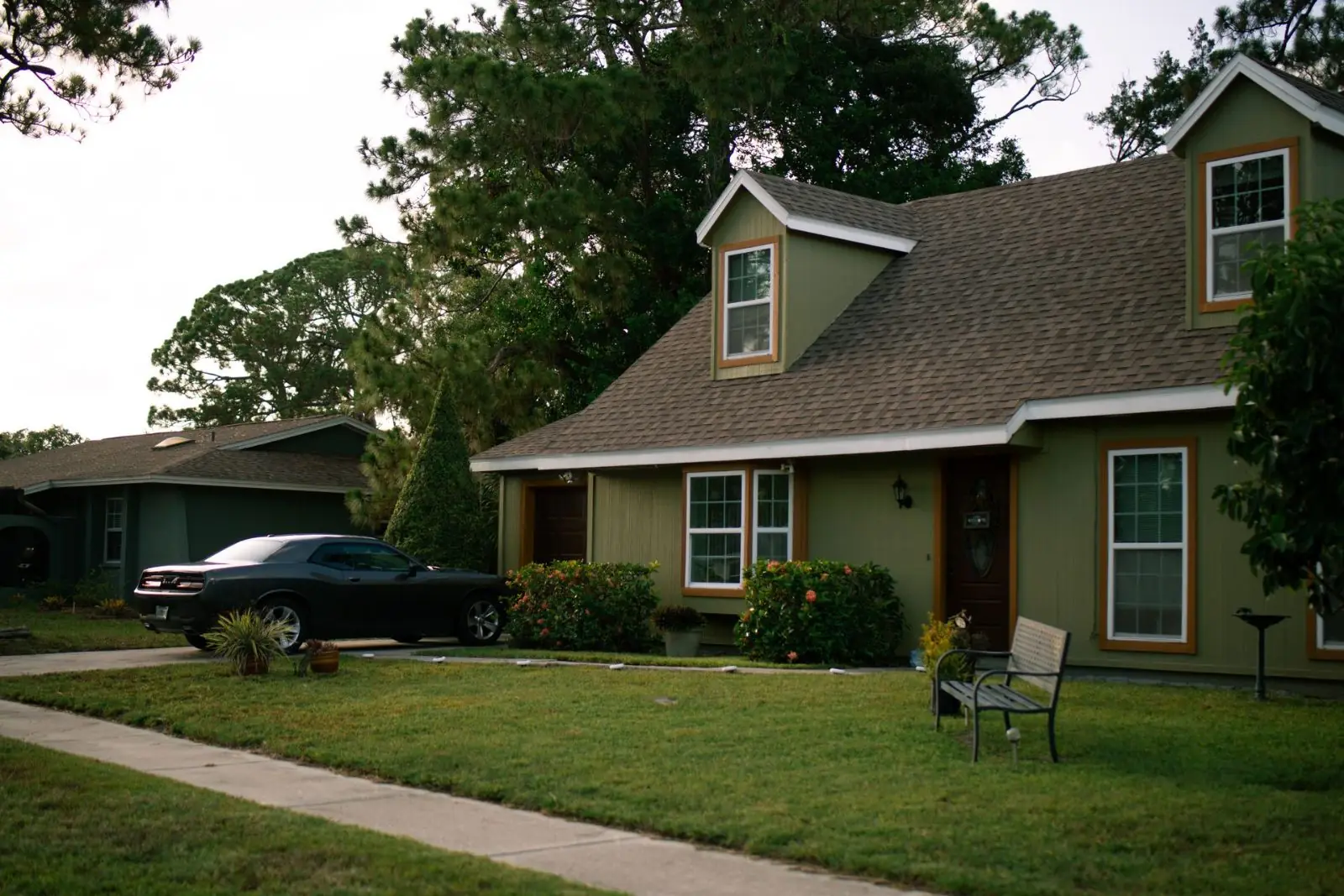
Residential Roofing Installation
Roofing Installation in Ocean View, DE
Make an informed plan for your home's new roofing system. Call for a Free Estimate
A Roofing System Starts With Proper Installation
Roofing installation is a detailed process that determines how well a new roof protects a residential property. The finished appearance is important, but the layers beneath the visible material play an equally significant role. Underlayment, flashing, fastening methods, ventilation, and roof transitions all contribute to the performance of the system.
For homeowners in Ocean View and nearby Delaware communities, installation decisions should reflect the property's location and exposure. Coastal weather, strong winds, heavy rainfall, and humid conditions make careful attention to roofing details especially valuable. We focus on helping homeowners understand the installation process and the considerations involved in selecting a suitable roofing system.
Ocean View Roof Replacement Experts Is Proud to Serve Delaware
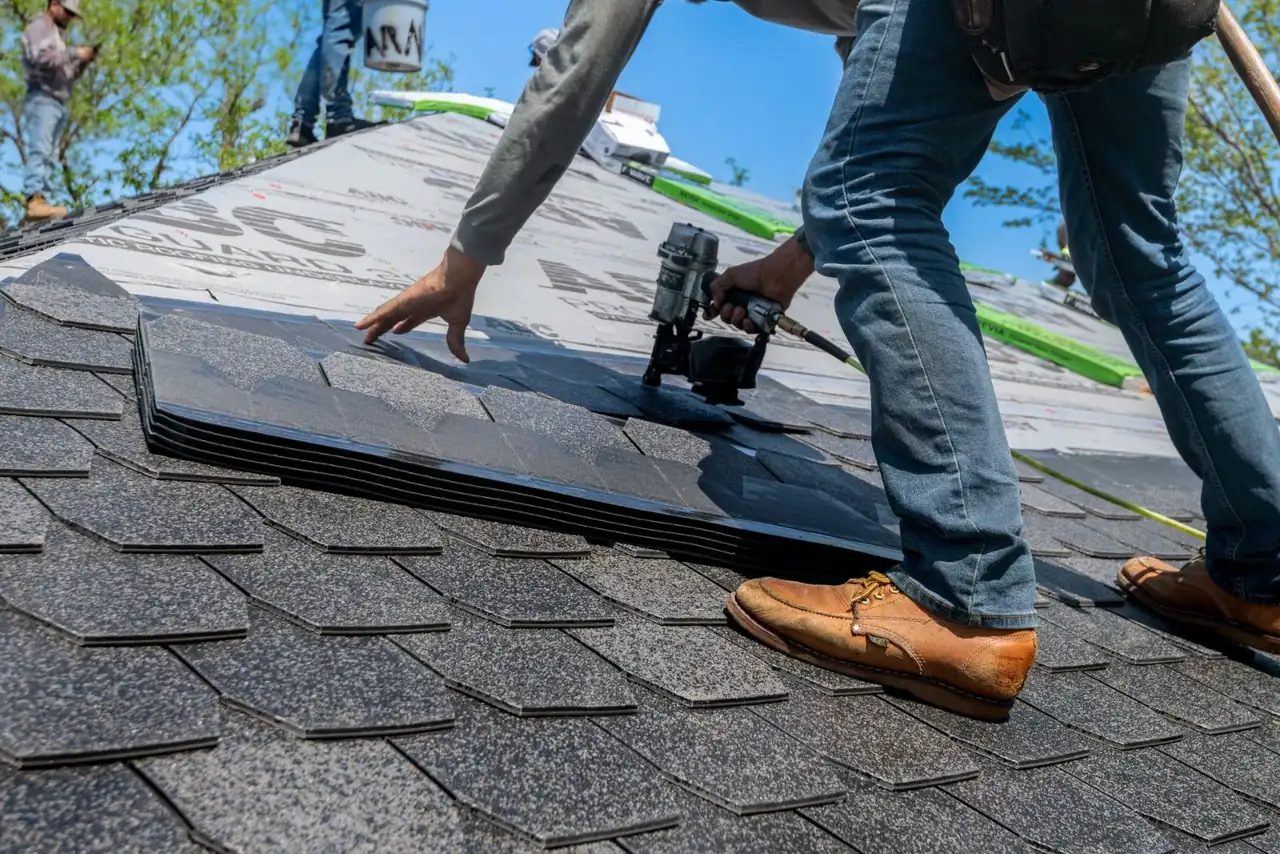
Important Parts of Residential Roofing Installation
A complete installation requires coordination between materials and the different areas of the roof.
Roof Preparation
The roof surface and supporting structure must be suitable for the selected system. Preparation includes addressing existing materials and identifying underlying issues.
Underlayment Installation
Protective underlayment is installed beneath the exterior roofing material according to product requirements and the design of the roof.
Roof Edge Details
Eaves, rakes, ridges, and other edges need appropriate finishing components to help protect exposed areas and complete the roofing system.
Flashing Installation
Roof openings and intersections require carefully integrated flashing to manage water movement and reduce opportunities for leaks.
Ventilation Components
The roof's ventilation arrangement should be considered in relation to the attic and the home's overall construction.
Why Choose Us for Roofing Installation?
Attention to installation details
We focus on the connections and protective layers that support the finished roofing material.
Material compatibility
The selected roofing system should suit the roof design and follow the product's installation requirements.
Property-specific planning
Access, roof configuration, and coastal exposure all influence how an installation should be organized.
Contact Us Today for a Free Estimate
Talk through your roofing installation requirements and material options.
Free, no obligations
The Roofing Installation Process
Review the Roof Design
Understand the roof shape, slope, existing construction, and the roofing product being considered.
Prepare the Surface
Address existing materials and prepare the supporting surface for the new system.
Install Protective Layers
Apply underlayment and appropriate components before installing the visible roofing material.
Fit the Roofing Material
Install the selected product with attention to manufacturer requirements, fastening, and roof transitions.
Review the Installation
Check the completed system, important finishing details, and the condition of the surrounding work area.
Roofing Installation Questions
What is the difference between roofing installation and roof replacement?
Roofing installation describes fitting a roofing system, whether on a new structure or an existing property. Roof replacement specifically involves removing or otherwise addressing an existing roof and installing a new system.
Does roof pitch affect installation?
Yes. The slope affects material suitability, water movement, safety arrangements, and installation methods. Roofing products have specific requirements for different roof configurations.
Why is underlayment important?
Underlayment provides an additional protective layer beneath the exterior material. It is part of the roofing system and should be selected and installed according to the applicable product requirements.
Can a new roofing system improve my home's ventilation?
A replacement provides an opportunity to review existing ventilation and identify possible improvements. Any changes should account for the attic design and the home's overall ventilation requirements.

Planning a Roofing Installation Project
Roofing installation covers new roofs on additions and new construction as well as complete tear-offs. A roof is a system. The decking, underlayment, flashing, ventilation, and visible covering all have to work together, so ask who is responsible for each layer and how the crew will protect your landscaping, siding, and gutters while they work.
Coastal homes deal with wind-driven rain and humid air, so ask how the installer handles flashing at walls, chimneys, vents, and skylights. Those joints are where many leaks begin, often long before the shingles themselves wear out. Ask what the written scope says about them.
Schedule matters too. Ask how weather delays are handled, what happens if rain arrives before the roof is dried in, and how the crew will clean up nails and debris at the end. Get the answers in the written estimate so everyone is working from the same plan.
Finally, ask who you should call if a question comes up once the job has started. A named contact and a clear way to reach them can save a lot of confusion, especially on a project that runs over several days.