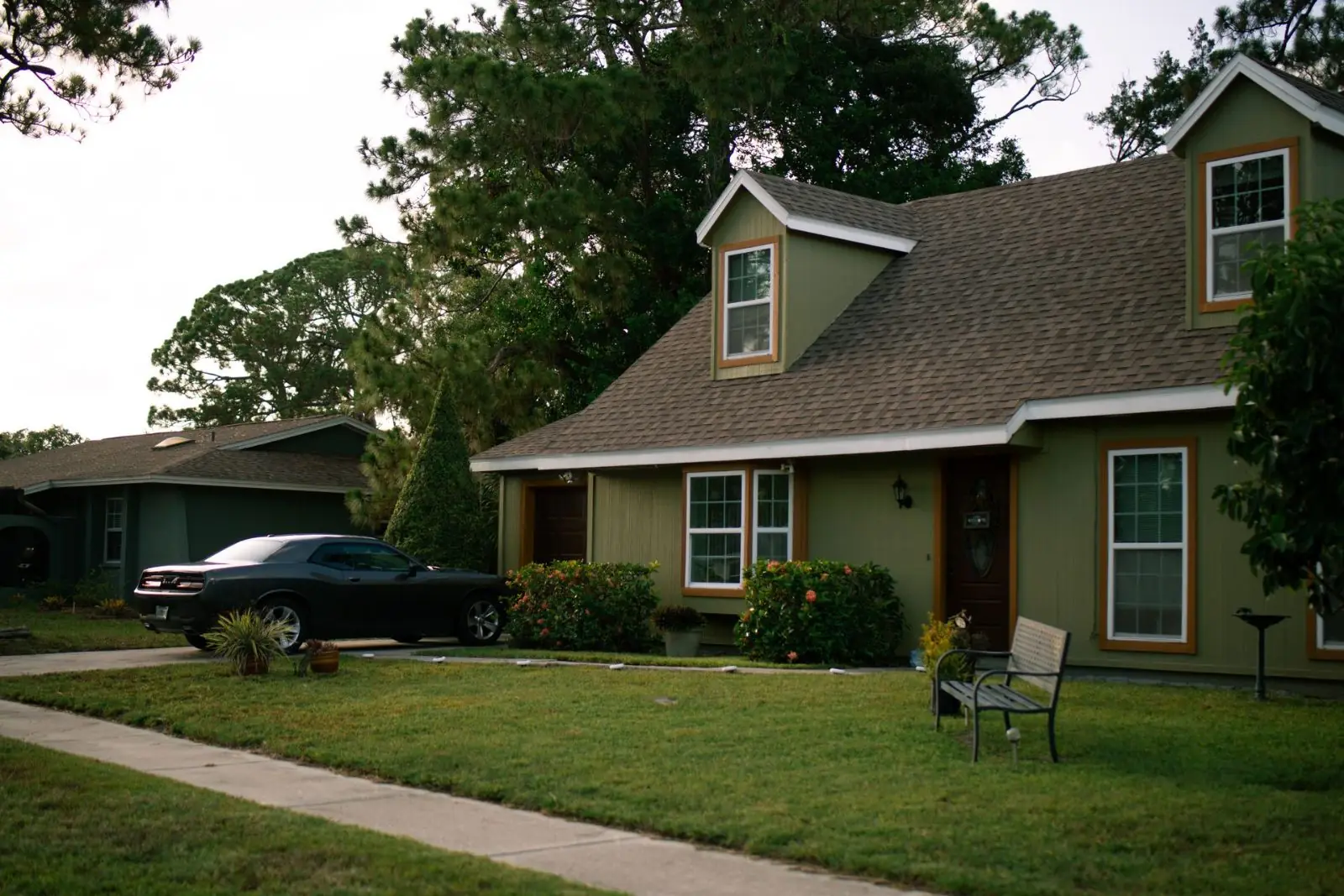
Roofing Solutions Across Coastal Delaware
Roof Replacement in Ocean View, DE
Ready to protect your home with a dependable new roof? Call for a Free Estimate
Reliable Roof Replacement for Ocean View, Delaware Homes
Your roof is one of the most important parts of your home. It protects your family, belongings, insulation, and interior spaces from rain, wind, moisture, and changing weather. When roofing materials begin to deteriorate, even a relatively small problem can eventually affect the rest of your property. Ocean View Roof Replacement Experts focuses on helping homeowners understand when a roof needs attention and what to consider when planning a complete replacement.
Living near Delaware's coast creates particular demands for residential roofing. Wind exposure, humid conditions, seasonal storms, salt carried through the air, and periods of heavy rain can all influence how roofing materials perform. A replacement project should account for the condition of the existing roof, the design of the home, the ventilation system, and the environment surrounding the property. We provide information and roofing solutions for Ocean View, Bethany Beach, Rehoboth Beach, Dewey Beach, and Long Neck. Whether your roof is reaching the end of its useful life or has suffered storm damage, we want to make the process easier to understand.
A Coastal Approach to Residential Roofing
We believe a good roof replacement begins with understanding the house rather than simply selecting roofing materials. Two homes in the same neighborhood can have very different roofing needs. Roof pitch, existing construction, ventilation, previous repairs, and exposure to wind and moisture all influence the work required. Our approach is to consider these details before recommending a replacement plan.
Our connection to Delaware comes from the communities and homes that make the coastal region distinctive. We understand that a property near the Atlantic Ocean may face different environmental pressures from a home farther inland or beside one of the Inland Bays. We focus on practical decisions, understandable explanations, and roofing work that takes the property's surroundings into account.
More about us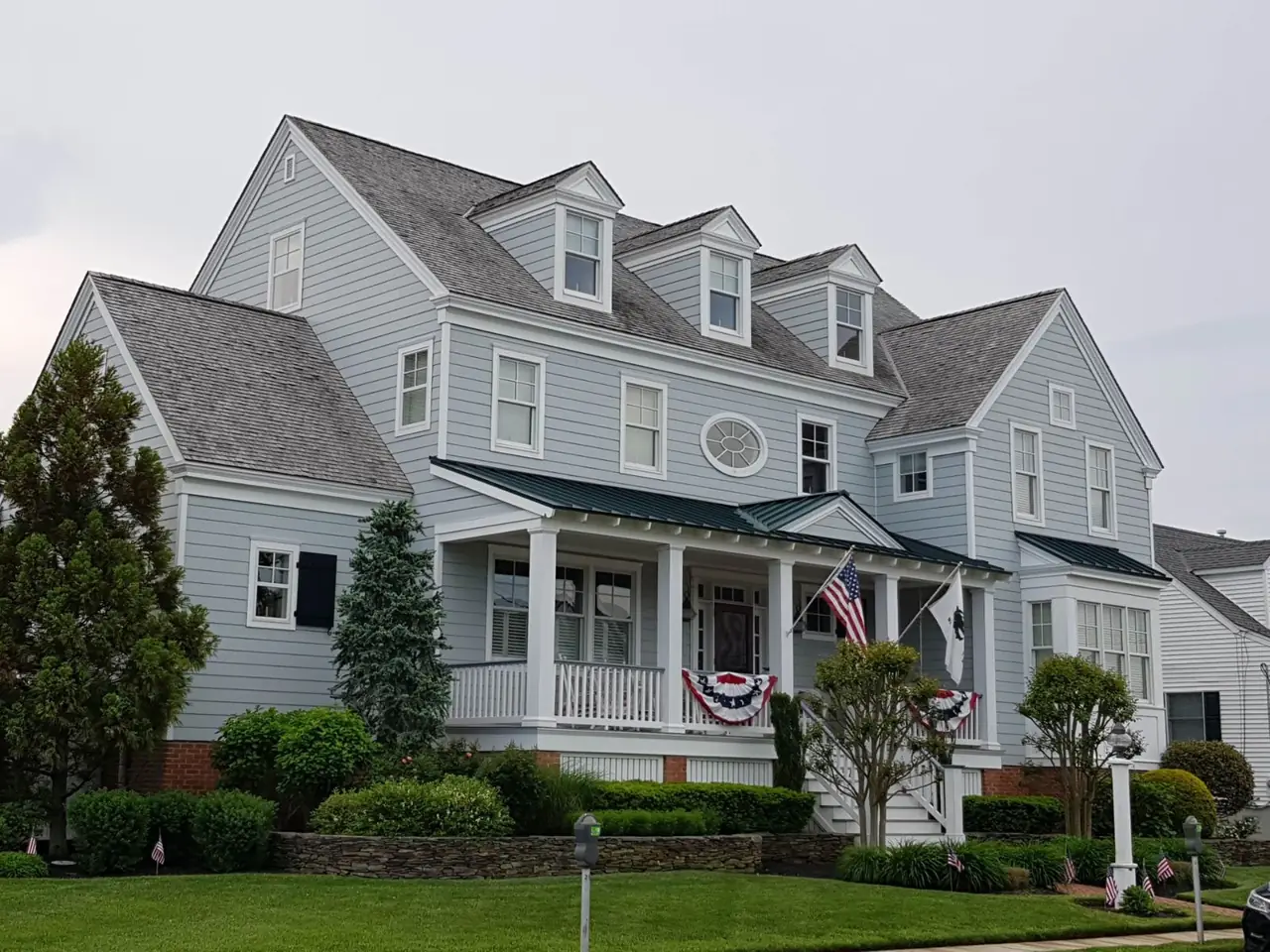
Our Services
From complete roof replacement and new roofing installation to asphalt shingle systems and storm-related replacement, our services address the roofing needs of residential properties throughout Sussex County.
Roof Replacement
Complete residential roof replacement designed around your home's condition, construction, and Delaware coastal environment.
Learn more →Roofing Installation
Residential roofing installation with attention to protective layers, flashing, ventilation, and finished appearance.
Learn more →Roof Replacement Cost
Understand the project details, material choices, and property conditions that influence a residential roof replacement.
Learn more →Asphalt Shingle Roof Replacement
Replace worn asphalt shingles with a residential roofing system selected for your property's design and exposure.
Learn more →Storm Damage Roof Replacement
Address extensive storm-related roofing damage with a replacement plan focused on restoring reliable home protection.
Learn more →Residential Roofing Installation
Residential roofing installation focused on protecting houses with carefully selected materials and complete-system planning.
Learn more →Where We Serve You
Our service area includes Ocean View, Bethany Beach, Rehoboth Beach, Dewey Beach, and Long Neck. Each community has its own combination of residential properties, coastal exposure, seasonal occupancy, and neighborhood characteristics. Those differences matter when evaluating a roof and deciding how a replacement should be approached.
Whether your home is part of an established residential neighborhood, a seasonal beach community, a bayside development, or a property closer to the ocean, we want you to have access to straightforward roofing information. Contact us to discuss your property, its location, and the condition of your existing roof.
See all service areasWhy Choose Ocean View Roof Replacement Experts?
Coastal roofing awareness
Roofing near the Delaware beaches requires attention to wind, moisture, humidity, and exposure. We keep these environmental considerations central to our approach.
Residential roofing focus
Our content and services are centered on protecting houses and residential properties, rather than treating every roofing project as interchangeable.
Clear project explanations
We believe homeowners should understand the condition of their roof, the proposed work, and the decisions involved before moving forward.
Practical material guidance
We help homeowners consider roofing materials in relation to their property's design, existing construction, and exposure to local weather.
Attention to the complete roof system
A roof involves more than the visible shingles. Underlayment, flashing, ventilation, drainage, and the condition of the roof deck deserve attention.
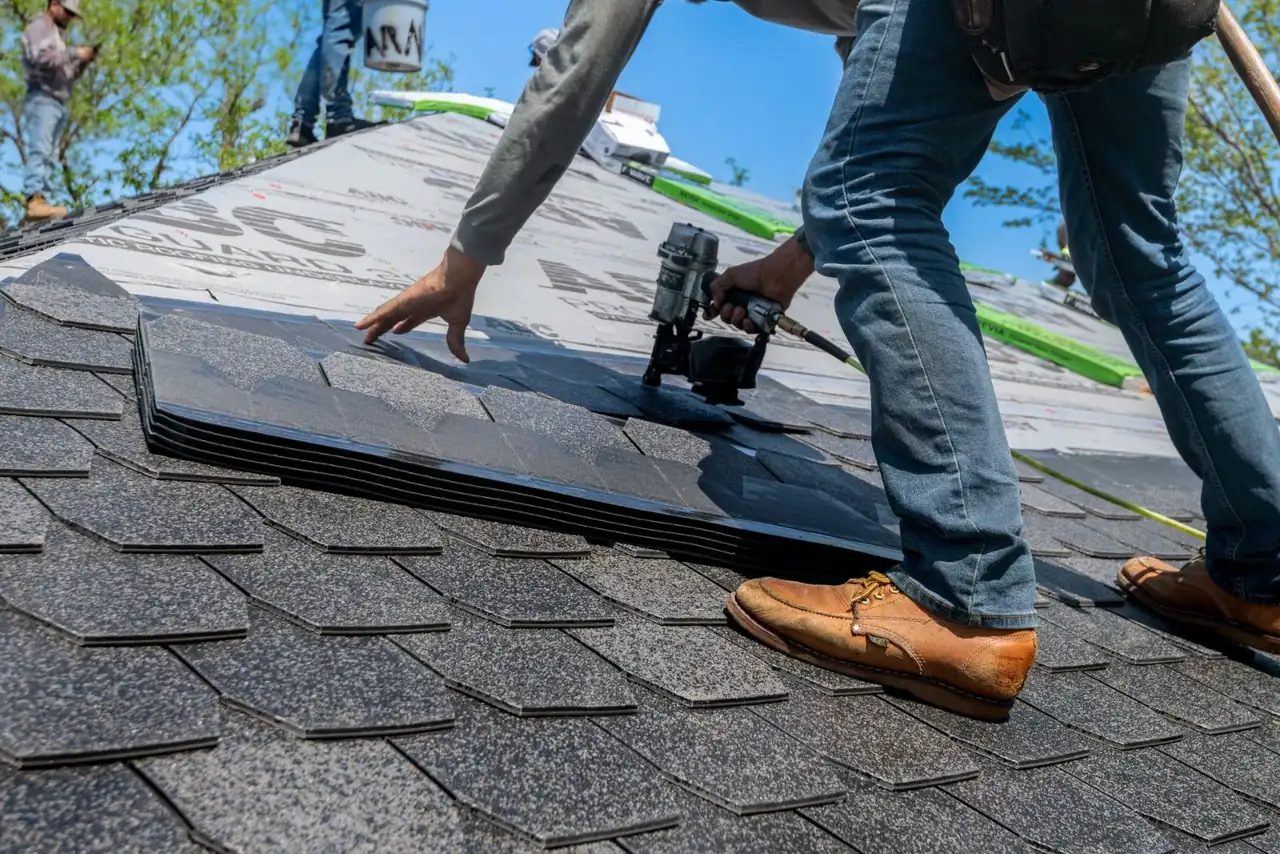
Understanding When Your Ocean View Home Needs a Roof Replacement
A roof does not always fail in one dramatic event. In many homes, deterioration happens gradually as roofing materials age and weather exposure takes its toll. Shingles may begin losing protective granules, edges can curl, and individual sections may become loose or damaged. Flashing around chimneys, vents, and other roof openings can also deteriorate. These changes may develop over several seasons before a homeowner notices a problem inside the house.
One of the first things to look for is a change in the appearance of the roof. Uneven patches, missing shingles, exposed underlayment, and visible sagging deserve attention. Granules collecting in gutters can indicate that asphalt shingles are wearing down. Dark marks or streaks may have several causes, so they should be evaluated rather than automatically treated as evidence that a complete replacement is necessary.
Interior signs can be just as important. Water stains on ceilings, damp attic insulation, musty smells, peeling paint, and unexplained moisture can indicate that water is entering through the roofing system. A leak may originate some distance from the interior stain because water can travel along roof framing before becoming visible. Finding the source is therefore an important part of evaluating the property.
Ocean View homeowners should also consider the roof's age and repair history. A roof that has required repeated repairs may no longer provide dependable protection, even if individual damaged areas have been addressed. Previous repairs can sometimes hide broader deterioration, particularly when multiple roof sections have aged together.
The right decision depends on the actual condition of the materials and the roof structure. Some problems can be addressed with targeted repairs, while widespread deterioration may make complete replacement the more practical choice. We encourage homeowners not to wait until a small roofing concern becomes an interior water problem. An informed assessment helps clarify the available options and provides a better starting point for planning the work.
How a Complete Residential Roof Replacement Works
A complete roof replacement involves several connected stages. The process begins with understanding the existing roofing system, the layout of the home, and the condition of the materials currently protecting it. The roof's pitch, number of slopes, valleys, penetrations, and transitions can influence the work involved. Previous repairs and additional roof layers also need to be considered.
Once the replacement plan is established, the existing roofing materials are removed as appropriate. Removing old materials provides an opportunity to inspect the underlying roof deck. Damaged, deteriorated, or compromised sections should be identified before new roofing materials are installed. Covering an underlying problem without addressing it can affect the performance of the replacement roof.
The roof deck provides the foundation for the new roofing system. Underlayment is installed to provide an additional protective layer beneath the exterior roofing material. Flashing is especially important around roof openings and transitions, where water can enter if the details are not properly addressed. Valleys, eaves, ridges, and edges also require attention because water movement and wind exposure differ across these areas.
The selected roofing material is then installed according to the product requirements and the roof design. Asphalt shingles are a common residential choice, but the correct installation method depends on the particular product, roof configuration, and applicable requirements. Ventilation and drainage should also be considered as part of the overall system.
The final stage includes reviewing the completed work, checking important roof details, and addressing cleanup. A well-planned replacement is not simply a matter of placing new material over an old surface. It is an opportunity to examine the roof as a complete system and address weaknesses that may have affected its previous performance. Homeowners should understand what was replaced, what underlying conditions were discovered, and what maintenance considerations apply going forward.
Choosing Roofing Materials for the Delaware Coast
Roofing material selection should reflect more than appearance. A homeowner should consider durability, installation requirements, maintenance, compatibility with the existing house, and the environmental conditions around the property. Delaware's coastal region experiences changing weather throughout the year, and roofing materials need to withstand repeated exposure to wind, rain, humidity, and seasonal temperature changes.
Asphalt shingles remain a familiar option for many residential properties. They are available in different profiles, colors, and product categories, allowing homeowners to consider appearance alongside performance. The quality of the selected product and the way it is installed both influence the finished roofing system. A product should be selected with attention to its manufacturer requirements and suitability for the roof design.
Homes closer to the ocean may experience more direct wind and salt exposure than properties farther inland. This does not mean that one roofing material automatically suits every coastal property. Roof shape, surrounding structures, exposure, and local requirements all deserve consideration. Homeowners should ask how the proposed product is intended to perform in the conditions affecting their specific home.
Color is another decision worth considering. Roofing shades influence the overall appearance of a property and should complement siding, trim, exterior finishes, and the surrounding neighborhood. A sample or product display can make this decision easier than relying entirely on a small printed color representation.
Material warranties should also be understood before work begins. Homeowners should distinguish between product coverage and coverage relating to installation or workmanship. The exact terms depend on the selected product and the arrangements associated with the project. It is useful to ask what is covered, what exclusions apply, and what documentation will be provided.
The best material choice is one that balances the property's needs, the homeowner's preferences, and the conditions of the location. A roofing decision should be based on the whole system rather than a single attractive product feature.
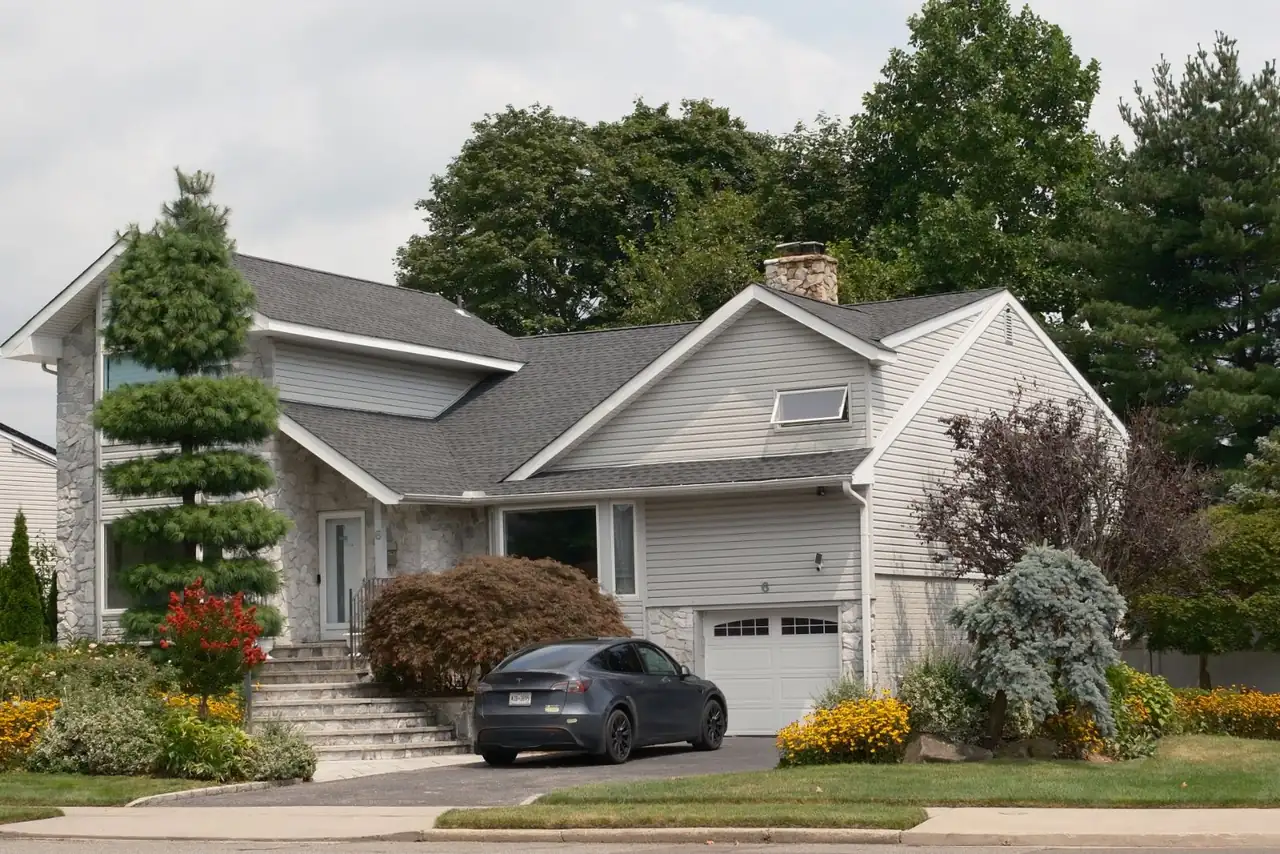
What Influences the Scope of a Roof Replacement
Every residential roof has its own configuration, and the amount of work involved can vary considerably from one property to another. Roof size is an obvious consideration, but it is not the only factor. A relatively small roof with several intersecting sections, dormers, valleys, and penetrations may involve more detailed installation work than a larger roof with a simpler layout.
Roof pitch also affects project planning. Steeper surfaces can require different safety arrangements, access methods, and installation considerations. The number of existing roofing layers matters as well because removal requirements can change depending on the materials already present. The condition of the underlying deck is another important unknown until existing materials are removed and the structure can be examined more closely.
Material selection influences the scope of work. Different products have different installation requirements, accessories, and finishing details. Homeowners should consider whether existing flashing, ventilation components, and roof edges can be appropriately incorporated into the replacement or whether changes are needed. These details should be discussed before the project begins wherever possible.
The surrounding property also affects logistics. Access for equipment, landscaping, driveways, nearby structures, and limited working space may influence how a project is organized. In established beach communities, parking and property access can require additional planning, particularly during busy visitor seasons.
The most useful way to understand a proposed project is to request a detailed explanation of the work. Ask what materials will be removed, how the roof deck will be inspected, what underlayment and flashing will be used, and how unexpected conditions will be handled. An understandable project scope gives homeowners a better basis for comparing proposals and avoiding misunderstandings.
Protecting Your Roof From Coastal Weather and Storm Damage
Coastal Sussex County homes experience environmental conditions that deserve careful consideration during roof replacement. Strong winds, driving rain, humidity, and seasonal storms can place repeated demands on exterior building materials. Homes near the Atlantic shoreline and properties beside inland waterways may have different exposure patterns, but both should be evaluated with local conditions in mind.
Wind can lift or loosen roofing materials, particularly where installation details are compromised or existing materials have deteriorated. Roof edges, ridges, hips, and transitions deserve attention because they are important parts of the roofing system. Flashing around chimneys, vents, and other penetrations also needs to be properly integrated to reduce opportunities for water entry.
Heavy rain can expose weaknesses in drainage and water management. Gutters, roof valleys, and downspouts help direct water away from the structure. If these components are blocked, damaged, or poorly arranged, water can collect in areas where it should not remain. During replacement planning, homeowners should consider whether the existing drainage arrangement supports the new roofing system.
After a storm, visible damage may include missing shingles, displaced flashing, fallen branches, or damaged roof edges. However, some problems are less obvious from the ground. Small openings and loosened materials can permit water intrusion during later rainfall, even when the roof initially appears intact.
If a storm has affected your home, document visible conditions from a safe location and arrange an appropriate assessment. Do not climb onto a wet, damaged, or unstable roof. If water is entering the home, protecting interior belongings and addressing immediate water concerns should take priority. A replacement may be appropriate when damage is extensive or when the existing roof was already deteriorated, but the decision should follow an examination of the actual conditions.
A roof designed and installed with attention to coastal exposure is an important part of maintaining a Delaware home. Regular observation, timely attention to damage, and appropriate maintenance can help homeowners understand changing roof conditions before they become more disruptive.
How to Compare Roof Replacement Contractors
Selecting a roofing contractor is an important decision because a replacement project affects the long-term protection of your home. Homeowners should look beyond a general promise of a new roof and understand exactly what the proposed work includes. A clear scope should identify the roofing material, removal process, underlayment, flashing details, ventilation considerations, and treatment of any damaged roof decking discovered during the project.
Communication is one of the most useful indicators of a well-organized project. A homeowner should be able to ask questions and receive understandable answers. If a proposal uses unfamiliar roofing terminology, request an explanation. You should know what is included, what may require additional approval, and how changes to the original scope will be communicated.
Ask about the contractor's business information, applicable insurance, and any licensing or registration requirements relevant to the work. These details should be independently verified rather than assumed. Also ask about product documentation and the terms of any applicable warranties. A responsible discussion should distinguish between manufacturer coverage and any separate installation-related commitments.
Comparing written proposals is often more useful than comparing a single final figure. Two proposals may appear similar while including different removal requirements, material specifications, flashing work, or disposal arrangements. Understanding these differences helps prevent a decision based on incomplete information.
Homeowners should also ask how the work area will be protected. Roofing projects involve removed materials and falling debris, so landscaping, vehicles, outdoor equipment, and neighboring property should be considered. Ask how cleanup will be handled and what arrangements will be made if weather interrupts the work.
The goal is to find a roofing provider whose proposed work is understandable and appropriate for the house. Take time to review the details, ask questions, and make sure expectations are clear before authorizing a replacement. A carefully considered decision is a valuable first step toward protecting your property.
What People Ask Us
How do I know whether my Ocean View home needs a new roof?
Missing shingles, recurring leaks, widespread granule loss, curling materials, and visible deterioration can indicate that replacement should be considered. The roof's age, repair history, and underlying condition also matter. A proper assessment can help determine whether repairs remain practical or a complete replacement is more appropriate.
How long does a residential roof replacement take?
The schedule depends on roof size, design complexity, material selection, removal requirements, and weather. A straightforward project may take considerably less time than a roof with multiple sections or underlying damage. Your project plan should explain the expected schedule and how weather delays will be handled.
Are asphalt shingles suitable for homes near the Delaware coast?
Asphalt shingles are used on many coastal residential properties. The product, installation method, roof design, and local exposure should all be considered when choosing a system. Ask about manufacturer requirements and the product's suitability for your property's conditions.
Can a new roof be installed over existing shingles?
Whether an additional roofing layer is permitted and appropriate depends on the existing construction, condition, and applicable requirements. Removing old materials allows the underlying roof deck to be examined. The best approach should be established after evaluating the existing roof.
Should I replace my roof after a coastal storm?
Not every storm requires a complete replacement. Missing materials, damaged flashing, water intrusion, and widespread deterioration should be evaluated to determine the appropriate response. Extensive damage or an already failing roof may make replacement the more suitable option.
Contact Us Today for a Free Estimate
Tell us about your property, the age of your roof, and any concerns you have noticed.
Free, no obligations